
Why Keeping Payments Inside the Platform Matters for Freelancers and Clients
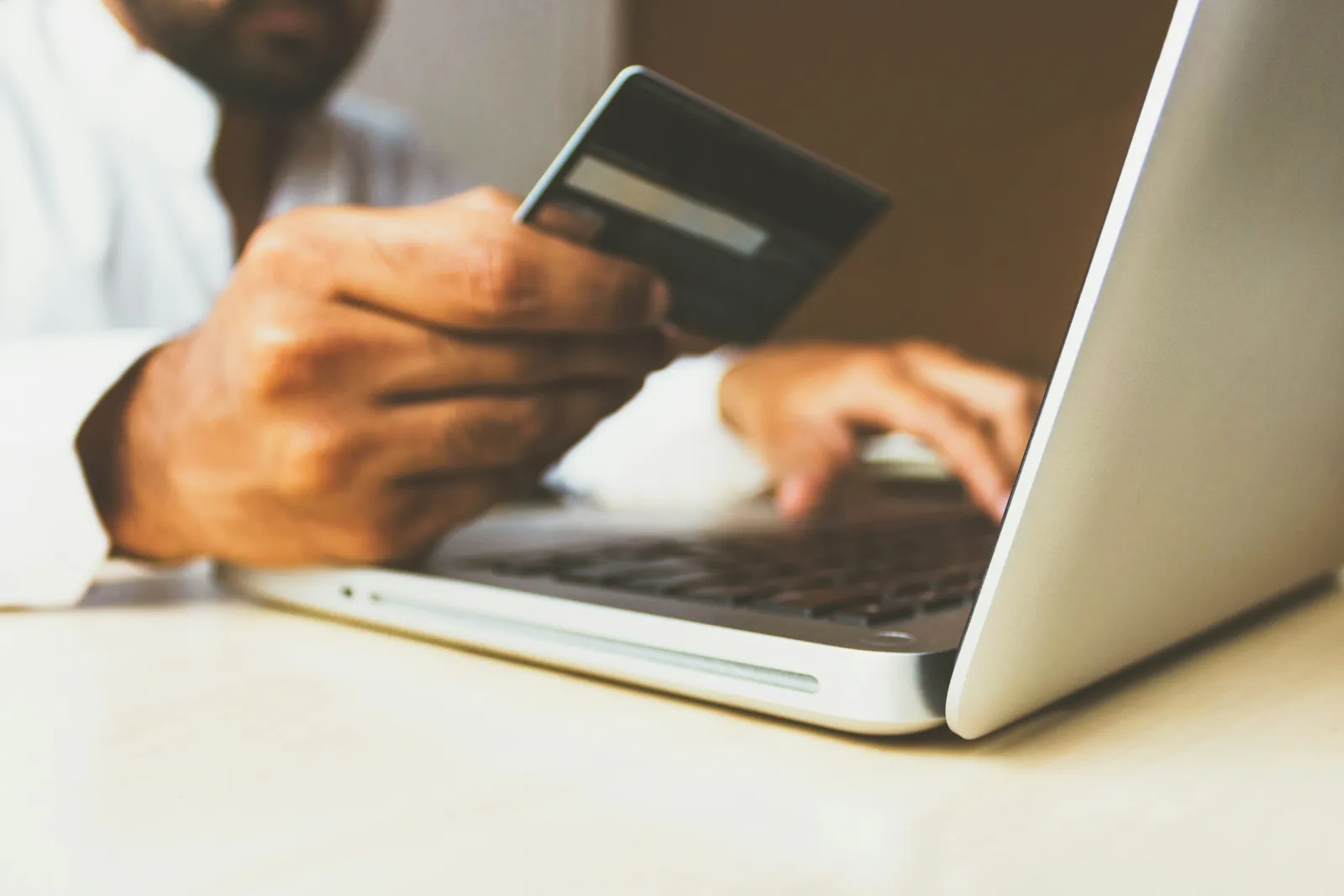
Hiring freelancers online has made it possible for businesses to work with talented professionals from almost anywhere in the world.
But finding the right freelancer is only part of the process.
How the payment is handled matters too.
Moving a transaction outside the marketplace may sometimes seem faster or easier, but it can also remove important transaction records, platform support, and protections available to buyers and sellers.
This guide explains why keeping payments inside the platform matters and how it can help create a more transparent relationship between freelancers and clients.
1. Why Platform Payments Matter
A freelance marketplace is more than a website where clients discover freelancers.
It also creates an environment where the different parts of a transaction can remain connected.
Depending on the type of transaction, this may include:
Buyer and seller information
The service or product purchased
Order details
Payment information
Delivery information
Communication related to the order
Transaction history
Keeping these elements within the same ecosystem creates a clearer record of what happened during a transaction.
When a buyer and seller move their payment outside the marketplace, that connection can be lost.
2. The Risks of Off-Platform Payments
Consider a simple example.
A business finds a developer through an online marketplace and agrees to pay $500 for a website.
The developer asks the client to send the money directly through another payment method.
The client pays.
But the project is never delivered.
Now consider the opposite situation.
A freelancer spends several days completing a project and sends the finished work directly to the client.
The client receives the work but refuses to pay.
Both situations demonstrate the same problem: online transactions require trust from both sides.
When the transaction happens privately, the marketplace may have limited ability to understand what happened or assist with the transaction.
3. Protection for Buyers
Clients want confidence when hiring someone they have never met.
Before making a purchase, they may want to know:
Who is providing the service?
What exactly am I purchasing?
How much will I pay?
What happens after I place the order?
Is there a record of my transaction?
Keeping the transaction connected to the marketplace helps preserve this information.
Instead of having a payment separated from the service itself, the purchase remains associated with the relevant marketplace account, product, or order.
This creates greater transparency for the buyer.
4. Protection for Freelancers
Payment security is not only a buyer issue.
Freelancers also take risks when working online.
They invest their time, skills, and sometimes their own resources into completing projects for people they may have never met before.
A freelancer needs confidence that a legitimate transaction has actually taken place before investing significant time into a project.
Keeping the order and payment within the marketplace can also create a clearer history of completed work.
That history can become valuable over time.
A freelancer who successfully completes projects can build a stronger marketplace presence and demonstrate experience to future clients.
5. Why Transaction Records Matter
Imagine that a payment provider sees a $500 transaction.
The payment provider may know:
Person A paid Person B $500.
But that information alone does not necessarily explain the entire business relationship.
It may not describe:
What service was promised
What the deadline was
What files were delivered
Which marketplace listing was purchased
What communication occurred between the parties
A marketplace can connect more of this context to the transaction.
This is one of the biggest advantages of keeping the payment and the marketplace activity together.
Transaction history also helps build reputation
Successful transactions contribute to the history of a marketplace.
For freelancers and creators, legitimate completed orders can help demonstrate that people are actually purchasing their services or products.
For buyers, transaction history creates a clearer record of previous purchases.
Moving transactions outside the platform breaks that connection.
6. Payments for Digital Products
The same principle applies to digital products.
When purchasing templates, scripts, UI kits, digital assets, or other downloadable products, buyers benefit from having the purchase associated with the marketplace where the product was discovered.
At NexoRush, digital product transactions are handled through the platform, with NexoRush acting as the Merchant of Record for these transactions.
This means the marketplace manages the customer-facing transaction while supported payment providers handle payment processing.
For creators, this reduces the need to build their own complete payment infrastructure.
For buyers, it creates a more structured purchasing experience where the product and transaction remain connected.
7. Building Trust Between Buyers and Sellers
One of the most difficult problems for any online marketplace is trust.
Traditional business relationships often begin locally.
You might visit a company's office, meet someone personally, or receive a recommendation from somebody you already know.
Online marketplaces are different.
A web developer in India can work with a startup in the Netherlands.
A designer in Poland can create a user interface for a company in the United States.
A creator can sell a digital product to customers around the world.
This global accessibility is one of the biggest advantages of online marketplaces.
However, it also means that two people who have never met may need to trust each other with money, work, or digital products.
That is why marketplaces need a trust layer.
This can include:
Verified marketplace accounts
Seller profiles
Product and service listings
Order history
Reviews and reputation
Structured transactions
Platform support
Payments are an important part of that system.
8. What to Do If Someone Requests an External Payment
A request to pay outside a marketplace does not automatically mean that someone is attempting a scam.
However, it should be treated carefully.
Before agreeing to an external payment, ask yourself:
Will the marketplace still have a record of this transaction?
What happens if the product or service is not delivered?
What happens if there is a disagreement?
Will the transaction contribute to the seller's marketplace reputation?
Can the platform assist if something goes wrong?
If the relationship started through a marketplace, keeping the transaction within that marketplace generally provides a clearer and more structured process.
9. Why Marketplace Payments Matter for the Future of Freelancing
Remote work continues to make international collaboration easier.
A small company no longer needs to hire exclusively within its city or even its country.
At the same time, creators can distribute digital products globally without operating a traditional physical business.
This creates enormous opportunities.
But global marketplaces only work when participants trust the system.
The strongest marketplaces therefore do more than connect supply and demand.
They create infrastructure around the transaction.
Discovery brings the buyer and seller together.
Communication allows them to understand each other.
Payments turn that relationship into a real transaction.
Reputation helps the next buyer make a better decision.
Together, these elements create a marketplace ecosystem.
10. Final Thoughts
Moving a payment outside a marketplace may sometimes appear convenient, but convenience should be weighed against the transaction history, structure, and platform support that may be lost.
For buyers, keeping payments within the platform creates a clearer connection between the money they spend and the product or service they purchase.
For freelancers and creators, marketplace transactions help establish a record of legitimate activity and can contribute to long-term reputation.
At NexoRush, the goal is to make it easier for freelancers, creators, and buyers to discover opportunities and complete transactions within the same marketplace ecosystem.
Finding the right freelancer or digital product is the first step.
Completing the transaction with confidence is what turns that connection into real business.