
How to Build a Professional Responsive Business Website in 2026: A Practical Guide
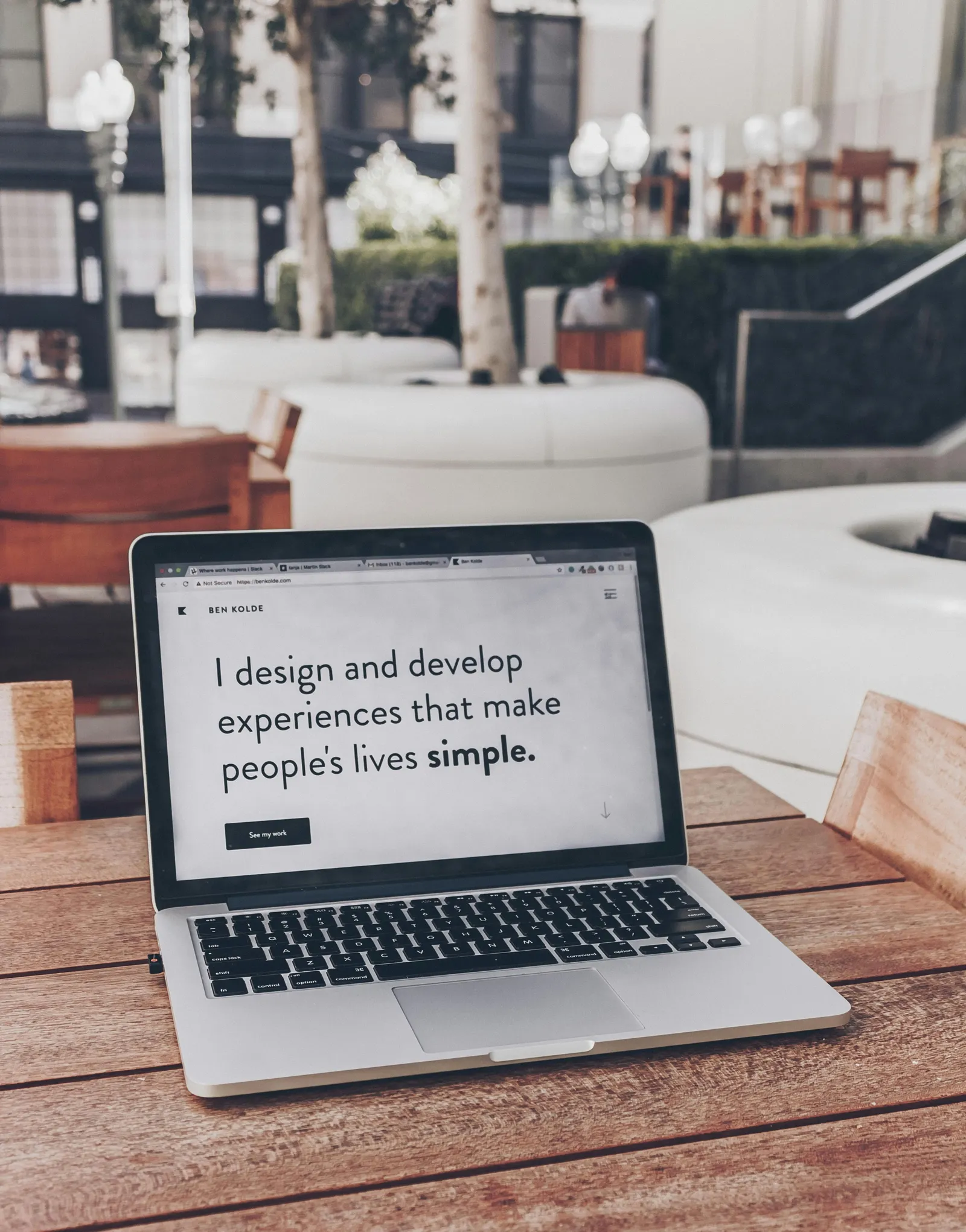
Creating a professional, responsive business website is essential for building a credible online presence in 2026. Whether you're a startup or an established company, your website can serve as your digital storefront, engaging potential clients and showcasing your services or products effectively. In this guide, we'll walk you through the key steps and best practices for building a modern business website that is fast, mobile-friendly, and designed to convert visitors into customers.
Why a Responsive Business Website Matters in 2026
With more users browsing on mobile devices than ever before, responsive design ensures your website looks and performs flawlessly across desktops, tablets, and smartphones. A responsive website not only improves user experience but also positively impacts your search engine rankings.
Key Benefits of Responsive Design
Improved User Experience: Visitors can navigate easily on any device.
SEO Advantages: Google prioritizes mobile-friendly websites.
Higher Conversion Rates: Clean, functional design boosts trust and actions.
Easier Maintenance: One site works seamlessly everywhere.
Essential Features of a Professional Business Website
To stand out and serve your customers well, your business website should include the following elements:
Modern, Clean Layout: Minimalistic design with clear typography and intuitive navigation.
Mobile Optimization: Fast loading and easily usable on phones and tablets.
SEO-Friendly Structure: Proper heading uses, meta tags, and keyword-optimized content.
Clear Call-to-Actions: Buttons and prompts guiding visitors to contact you, request a quote, or buy.
Contact and About Pages: Transparent company info and easy ways to reach you.
Fast Performance: Optimized images and clean code for quick loading times.
Security Features: SSL certificate and secure data handling build trust.
Step-by-Step Guide to Building Your Website
1. Plan Your Website Structure
Start by outlining the pages and features your site needs. Common pages include Home, Services/Products, About, Contact, and sometimes a Blog or FAQ section.
2. Choose the Right Platform
Depending on your technical skills and requirements, options range from user-friendly WordPress themes to custom-built websites. Expert developers can create premium, custom designs tailored to your brand, or you might select a versatile WordPress or Webflow template for faster deployment.
3. Design with User Experience in Mind
Focus on a clean, attractive UI/UX that matches your brand identity. Use professional typography, consistent colors, and straightforward navigation menus. Responsive frameworks like Bootstrap or Tailwind CSS can help achieve mobile-first design efficiently.
4. Develop and Optimize Your Site
When building the site, ensure it loads quickly by compressing images and minimizing code. Implement SEO best practices such as optimized title tags, meta descriptions, and accessible HTML markup.
5. Test Across Devices and Browsers
Before launch, check your website's appearance and functionality on various screen sizes and browsers to ensure a consistent experience.
6. Launch and Promote Your Website
Once live, use social media, email marketing, and SEO to drive traffic. Regularly update content and monitor analytics to improve engagement.
Practical Examples and Resources
If you're looking to accelerate your website creation process, consider professional services and templates available on NexoRush:
Responsive Business Website Development Service – Get a modern, SEO-friendly business site tailored to your needs.
Premium Modern Business Website – Opt for a fast, mobile-optimized website that elevates your brand.
Tips for Maintaining Your Business Website
Update Content Regularly: Keep your services, news, and blog fresh to attract and retain visitors.
Monitor Performance: Use tools like Google Analytics and PageSpeed Insights to track user behavior and loading times.
Ensure Security: Regularly update plugins, themes, and backups to protect your site.
Engage with Customers: Include clear contact forms, chat options, or FAQ sections to enhance communication.
Conclusion
Building a professional, responsive business website in 2026 is a vital step toward digital success. By focusing on user experience, SEO, and performance, you create a strong foundation for your brand's online presence. Whether you choose to build the site yourself using modern frameworks or hire experienced developers, prioritizing responsiveness and professionalism will pay off in user engagement and business growth.
For more insights on website development and related digital services, explore these articles:
How to Create a Professional Personal Portfolio Website in 2026 – Useful if you want to add a personal touch or freelancer portfolio.
The Future of Web Development: Trends Every Developer Should Watch in 2026 – Stay updated on modern tools and techniques.